Treatment of Bone, Foot, and Ankle Deformities in Children and Adults
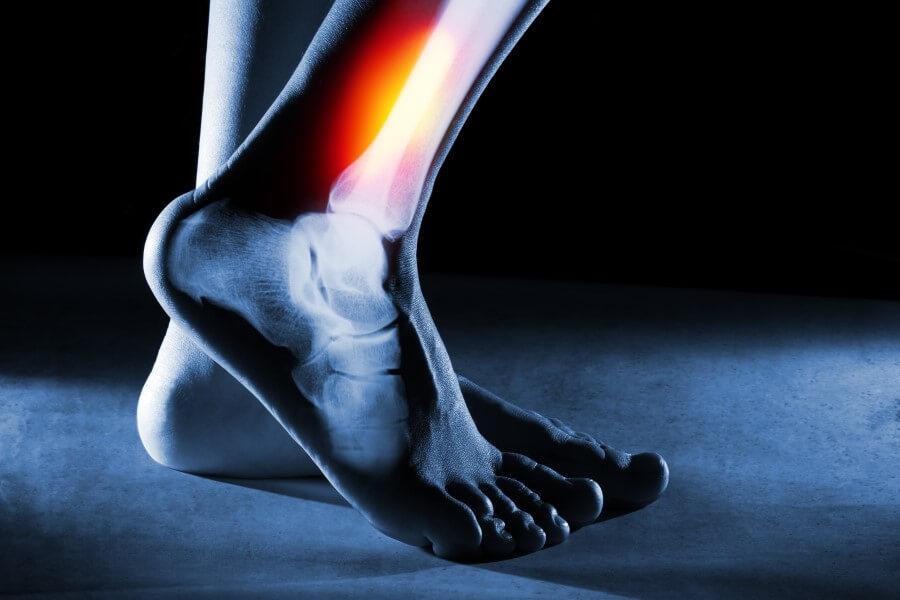
Bone, foot, and ankle deformities can be congenital (present at birth) or acquired due to injuries, diseases, or aging. These deformities can affect walking, mobility, balance, and overall function. Early evaluation and specialized treatment are important to restore normal function and prevent long-term complications.
1️⃣ Causes of Deformities
🔹 In Children
Congenital deformities such as clubfoot
Bowing of the legs (Bowlegs or Knock-knees)
Abnormal bone growth due to diseases or injuries
🔹 In Adults
Complications from previous fractures that healed incorrectly
Joint diseases or infections causing foot or ankle deformities
Muscle imbalances or wear-and-tear changes with age
2️⃣ Symptoms
Difficulty walking or running
Pain or fatigue in the foot, ankle, or leg
Imbalance or abnormal gait
Visible deformity in the foot, ankle, or leg
3️⃣ Treatment Options
🔹 Non-Surgical Treatment
Custom orthopedic shoes or braces to correct deformity
Physical therapy to strengthen muscles and improve mobility
Regular monitoring in children during growth
🔹 Surgical Treatment
Bone realignment using internal fixation (plates, screws, intramedullary nails)
Foot and ankle corrective surgery to restore normal alignment
Muscle and tendon balancing procedures in the foot and ankle
In children, gradual correction techniques using braces or growth-guided devices
4️⃣ Goals of Treatment
Correct the deformity and restore normal shape
Improve walking ability and mobility
Reduce pain and joint stress
Prevent complications such as early arthritis or stiffness
5️⃣ Follow-Up
Continuous monitoring in growing children
Post-surgical physiotherapy to regain function
Use of assistive devices if needed