Artificial joint replacement surgeries
What are artificial joint replacement surgeries?
Artificial joint replacement surgery is a procedure in which the damaged parts of a joint are removed and replaced with artificial components designed to mimic the movement of a natural joint, reducing pain and improving mobility. It is often performed in cases of advanced osteoarthritis or when conservative treatments have failed.
The most common types of joint replacement:
- Total Knee Replacement: The damaged surface of the femur, tibia, and patella is replaced with metal and plastic components.
- Total Hip Replacement: The femoral head and pelvic socket are replaced with a metal/ceramic artificial joint.
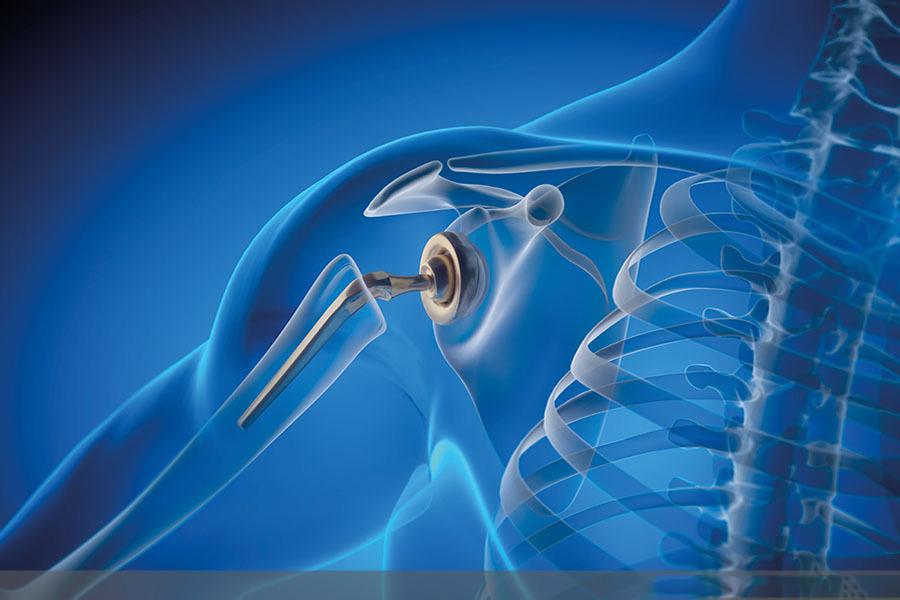
- Shoulder Replacement: Used to treat severe damage or large, irreparable tears.
Less commonly, joint replacement surgeries can also be performed on the ankle, elbow, and fingers.
Components of an Artificial Joint:
- A metal component that is fixed to the bone.
- A special plastic lining to reduce friction.
- Sometimes ceramic components for increased durability.
These components are fixed either using medical-grade bone cement or techniques that allow the bone to fuse directly to the joint.
When is surgery recommended?
- Severe, persistent pain that interferes with daily life
- Failure of medication and physical therapy
- Significant deformity or severe limitation of movement
- Impaired sleep or ability to walk
Benefits of surgery
- Significant pain relief
- Improved mobility and walking ability
- Improved quality of life
Potential risks
- Wound infection
- Blood clots
- Joint stiffness
- Loosening or wear of the artificial joint over time
Recovery time
- Assisted walking within a few days
- Physical therapy for several weeks
- Full improvement is usually seen within 3–6 months. The lifespan of an artificial joint is typically 15 to 25 years, depending on usage and the type of joint.