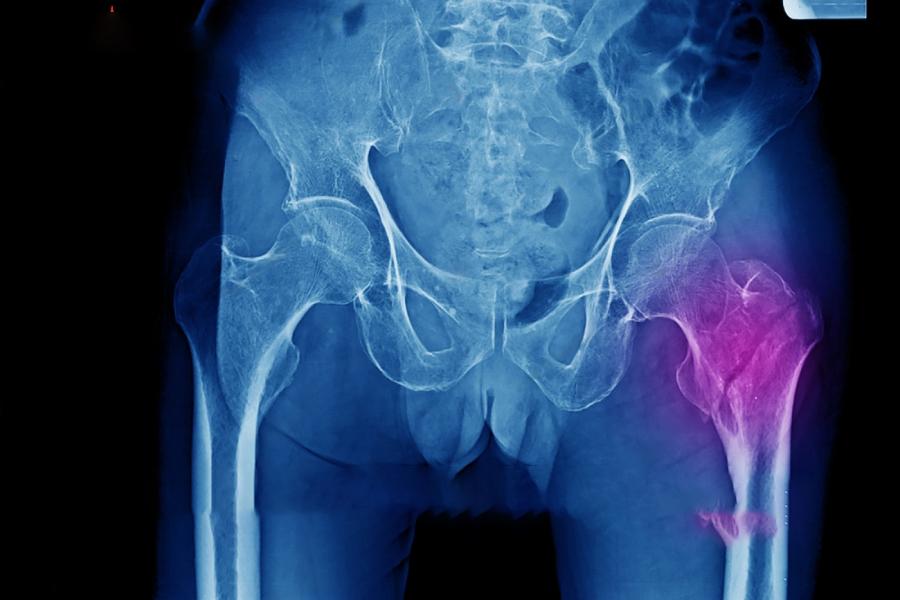
Hip-preserving surgery focuses on treating hip problems in young and active adults while avoiding total hip replacement. These procedures aim to relieve pain, restore joint function, and delay or prevent the need for artificial hip implants.
1️⃣ Conditions Treated
Femoroacetabular impingement (FAI): abnormal contact between the femur and pelvis
Labral tears: damage to the cartilage ring around the hip socket
Early hip osteoarthritis or cartilage defects
Hip dysplasia or congenital hip abnormalities
2️⃣ Surgical Techniques
🔹 Minimally Invasive Arthroscopy
Uses small incisions and a camera to repair labral tears or reshape bone
Reduces pain, swelling, and recovery time
🔹 Hip Osteotomy
Realigns the hip joint in cases of dysplasia or misalignment
Preserves the natural joint while improving stability and load distribution
🔹 Cartilage Restoration
Procedures to repair or regenerate damaged cartilage
Helps maintain the longevity of the natural hip joint
3️⃣ Goals of Hip-Preserving Surgery
Alleviate hip pain
Restore normal range of motion and function
Delay or prevent early hip replacement
Allow return to sports and active lifestyle
4️⃣ Recovery
Typically involves a combination of physical therapy and gradual weight-bearing
Recovery time ranges from weeks to a few months depending on the procedure
Close monitoring to ensure proper healing and joint stability