Recurrent dislocations of the shoulder joint and rotator cuff tears

Recurrent Shoulder Dislocation and Rotator Cuff Tears

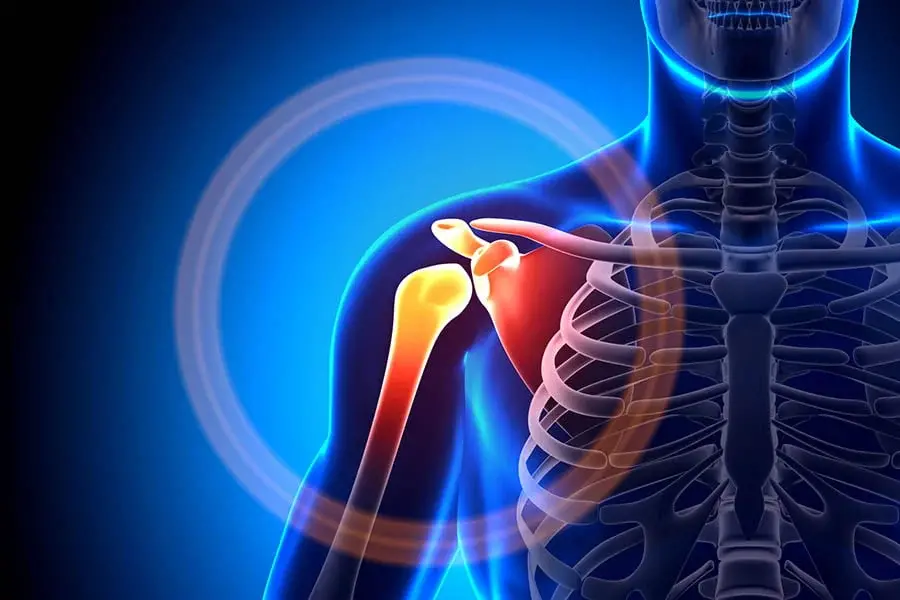
The shoulder joint is one of the most mobile joints in the body, making it highly susceptible to injuries such as recurrent dislocation and rotator cuff tears, especially in athletes or after a direct fall onto the arm.


First: Recurrent Shoulder Dislocation

🔹 What is recurrent dislocation?

It is the repeated displacement of the head of the humerus bone from the acetabulum (scapula) of the scapula, due to weakness or tearing of the ligaments and tissues that stabilize the joint after the initial dislocation.

🔹 Causes

  • Strong sports injury (handball, swimming, weightlifting)
  • Direct fall on the shoulder
  • Congenital weakness in the joint ligaments
  • Inadequate treatment of the initial dislocation

🔹 Symptoms

  • A feeling of instability in the shoulder
  • Pain when raising or moving the arm backward
  • Recurrent dislocations with simple movements
  • Sometimes swelling and muscle weakness

🔹 Treatment

  • Physical therapy sessions to strengthen muscles in mild cases
  • Arthroscopic surgery to repair ligaments and acetabulum tears (shoulder stabilization) in recurrent cases

Second: Rotator Cuff Tear

The rotator cuff is a group of four muscles that surround the shoulder joint and help stabilize and move it.

🔹 Causes of Dislocation

  • Lifting heavy weights incorrectly
  • Repetitive overhead movements
  • Direct injury
  • Gradual wear and tear with age

🔹 Symptoms

  • Pain when raising the arm
  • Weakness in the shoulder
  • Difficulty sleeping on the affected side
  • Limited range of motion

🔹 Treatment

  • Physical therapy and strengthening exercises for partial tears
  • Local injections to reduce inflammation
  • Arthroscopic surgery to repair the tendon for complete tears

Can they occur together?

Yes, in some severe cases, a shoulder dislocation can occur with a rotator cuff tear, especially in older adults.

Importance of Early Diagnosis

  • Preventing further deterioration
  • Restoring stability and strength
  • Reducing the likelihood of recurrent dislocation

Diagnosis is usually made through clinical examination and MRI. Treatment varies depending on the patient's age, the severity of the injury, and their activity level.